_edited.png)
AI Data Centers Fuel Growing Voter Backlash Ahead of Midterms

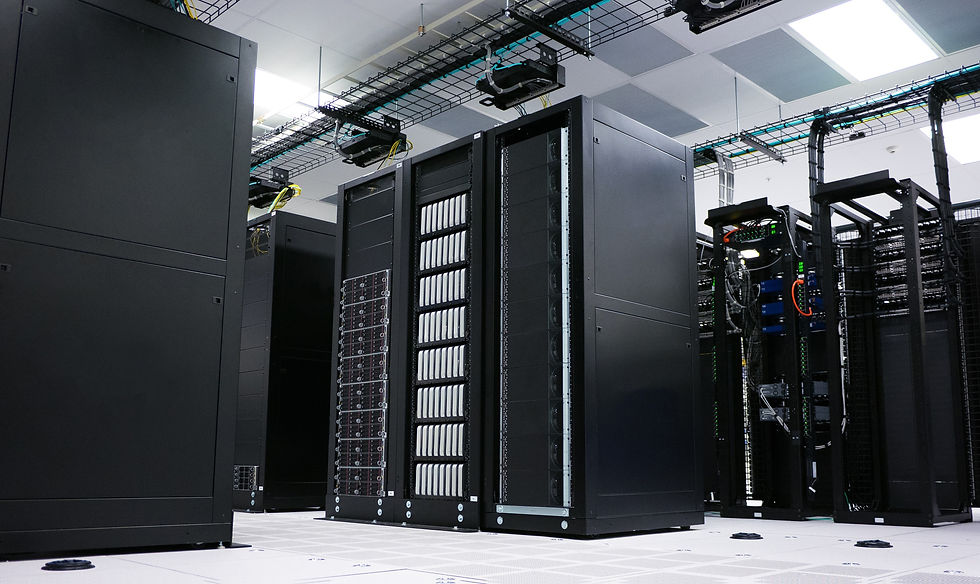
Across the United States, the rapid buildout of massive AI data centers is colliding with local communities, creating a political headache that is increasingly hard for lawmakers to ignore as the 2026 midterm elections approach. What started as enthusiastic courting of Big Tech investments has turned into widespread resistance, with residents swarming planning meetings, launching petitions, staging protests, and filing lawsuits to block new facilities. Seven in 10 Americans now oppose constructing AI data centers in their local area, including nearly half who are strongly opposed, according to recent Gallup polling that shows the issue cutting across party lines even as Democrats lead the opposition.
The facilities power the AI boom but strain power grids, consume vast amounts of water, generate constant noise, and drive up utility bills for everyday residents. In Republican-leaning areas where much of the construction has been concentrated, the pushback has already claimed political casualties. In Utah, Senate President J. Stuart Adams lost his Republican primary in June after approving a data center project backed by “Shark Tank” investor Kevin O’Leary. Former Box Elder County Commissioner Lee Perry, who supported the same development, later said the data center vote cost him the election.
Similar dynamics are playing out in Texas, where Governor Greg Abbott once celebrated major investments from Google, Meta, Microsoft, OpenAI, Amazon, and others. After protests in cities like Abilene, Texarkana, and Lubbock, along with a ban in San Marcos and the cancellation of a Henderson County project, Abbott shifted course with directives to protect residents from infrastructure costs, limit rural developments, and require audits. Other Republican leaders have followed suit. In Pennsylvania, lawmakers proposed repealing tax breaks and imposing a moratorium. Florida’s Ron DeSantis signed a bill restoring local approval power. Nebraska’s Jim Pillen ended tax incentives and paused construction. In Ohio, Republican gubernatorial nominee Vivek Ramaswamy pledged an “Ohioans-first” approach that includes halting new approvals and shielding residents from higher electricity costs.
President Donald Trump has championed accelerated data center construction as part of a broader “Build, Baby, Build” agenda, including support for large initiatives like the Stargate Project and streamlined federal permitting. He has called resistance a “mistake.” Yet the intensity of local opposition has forced even allies to recalibrate. A nationwide protest organized by the conservative group Humans First underscored the sentiment that communities feel sidelined despite the use of American land, energy, and taxpayer-backed resources. Industry and administration efforts to expand ratepayer protections and keep electricity bills in check have not fully quieted the concerns.
As the midterms draw closer, the data center issue is emerging as a rare flashpoint that pits national technology ambitions against neighborhood-level impacts. Politicians who once rolled out the red carpet for these projects are now imposing restrictions or pauses to align with voter sentiment, even if it means diverging from the White House’s priorities. Whether this local resistance slows the overall AI infrastructure boom or simply forces more careful planning remains to be seen, but the electoral message is already clear: supporting unchecked data center expansion can come at a steep political price.


