_edited.png)
Google Home’s Meltdown: A Lawsuit Looms as Users Demand Fixes
- TechBrief Weekly

- Aug 1, 2025
- 3 min read
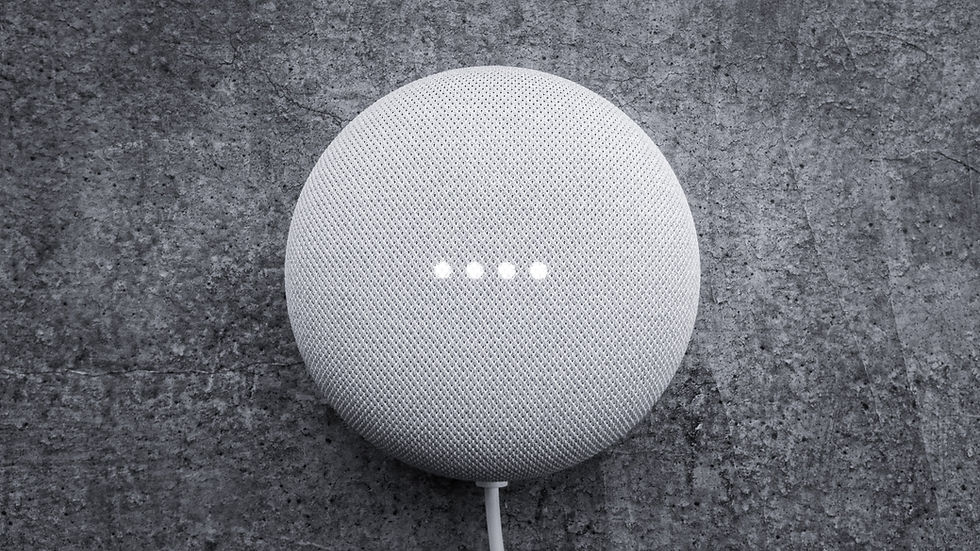
Google Home, once a promising hub for smart home control, is facing a crisis that could culminate in a class-action lawsuit, as reported by Gizmodo on July 30, 2025. Widespread user complaints about malfunctioning devices—smart lights, cameras, plugs, and more—have escalated into a potential legal battle, with the law firm Kaplan Gore investigating Google’s failure to address persistent issues. This debacle, fueled by a deteriorating Google Assistant and software glitches, highlights the tech giant’s struggle to maintain its smart home ecosystem amid an AI-driven pivot. Below, we explore the root causes, user frustrations, and implications for Google’s smart home future, alongside a chart visualizing the surge in reported issues.
The trouble began in earnest last week when Reddit’s Google Home subreddit erupted with reports of devices failing to respond to basic commands. Users described smart lights refusing to turn on or off, cameras going offline, and speakers misinterpreting requests, with some playing white noise in the wrong room or turning off lights instead of fans. Gizmodo noted that these issues rendered many smart homes “entirely unusable,” a sentiment echoed on X, where users like @nixxin slammed Google for “nerfing” Home with an erratic Gemini AI deployment. Google’s Director of Product Management for Home & Nest, Anish Kattukaran, issued an apology on X on July 23, promising “major improvements,” but complaints persisted, with no official fix announced by July 30.
The root of the problem lies in Google Assistant’s steady decline. Gizmodo and TechRadar report that Assistant, set to be replaced by Gemini AI, has lost core functionality over years, struggling with simple tasks like toggling lights. Recent glitches, possibly tied to Gemini’s premature integration, have exacerbated the issue, with third-party devices like Philips Hue or Nest thermostats often unsyncing from the Google Home app. A workaround—resyncing apps via Settings > Works with Google—offers inconsistent relief, as noted in Reddit threads. Users on X, including @Kiplinger, described missed alarms and unresponsive commands, calling the experience a “lurch.”
Kaplan Gore’s investigation, announced on July 29, targets Google’s failure to remedy these “increasing problems” despite stable internet connections and previously functional devices. The firm invites affected users to submit claims via its website, signaling a potential class-action lawsuit. Android Authority reported that the scale of complaints—spanning doorbells, speakers, and more—has created a “reputation shitstorm” for Google, with Tom’s Guide noting user frustration over promised fixes that haven’t materialized. A 2022 Reddit post about a similar lawsuit over speaker group functionality suggests this isn’t Google’s first legal rodeo, though that case yielded little.
The broader context is Google’s pivot to AI. With an $85 billion investment in AI infrastructure, including data centers and custom chips, Google is prioritizing Gemini over legacy systems like Assistant, as per Gizmodo. This shift may explain the neglect of Google Home, which lacks the resources to keep pace with competitors like Amazon’s Alexa or Apple’s HomeKit. Users on Reddit lament Google’s abandonment of features like Chromecast TV control or Xbox integration, while TechRadar questions whether Gemini can salvage the platform.
For consumers, the fallout is tangible. Smart home devices, marketed as seamless, are failing at basic tasks, eroding trust. A lawsuit could force Google to compensate users or accelerate fixes, but skepticism abounds, with X users like
@techradar warning Google “could end up paying for it.” Alternatives like Home Assistant exist, but they require technical know-how, leaving many users stuck. For Google, the stakes are high: a damaged reputation could cede market share to rivals, especially as Apple delays its next-gen Siri, avoiding similar pitfalls.