_edited.png)
Google Strikes Deal to Ease AI Power Drain on U.S. Grid


In a move to tackle the growing energy demands of artificial intelligence, Google has inked agreements with two U.S. utilities to scale back power consumption at its AI data centers during peak grid demand. Announced on August 4, 2025, the deals with Indiana Michigan Power and Tennessee Power Authority mark Google’s first formal step into demand-response programs, a strategy typically used by heavy industries like manufacturing or crypto mining.
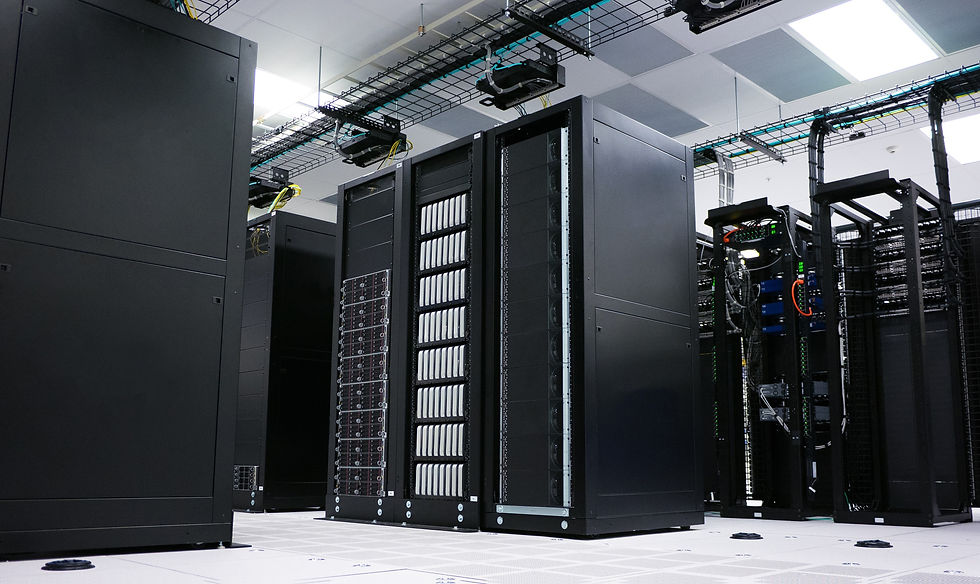
The surge in AI applications, which require massive computational power, has pushed data centers to consume electricity at unprecedented rates, outpacing available grid supplies in some regions. This has raised alarms about potential blackouts and skyrocketing utility bills for everyday consumers. Google’s agreements aim to mitigate these risks by temporarily reducing its data centers’ energy use when utilities signal high grid stress, freeing up capacity for homes and businesses.
While details of the financial arrangements remain undisclosed, such programs often involve payments or discounted rates for participating companies. Google emphasized that this approach not only speeds up data center integration into the grid but also reduces the need for costly new power plants and transmission lines. By optimizing energy use, the tech giant hopes to support grid stability while continuing its AI expansion.
The move comes as the U.S. grapples with a broader energy crunch driven by Big Tech’s AI ambitions. With data centers projected to consume up to 9% of U.S. electricity by 2030, utilities are under pressure to balance soaring demand with reliability. Google’s initiative could set a precedent for other tech giants, signaling a shift toward more sustainable AI growth—or at least a pragmatic response to a strained grid.